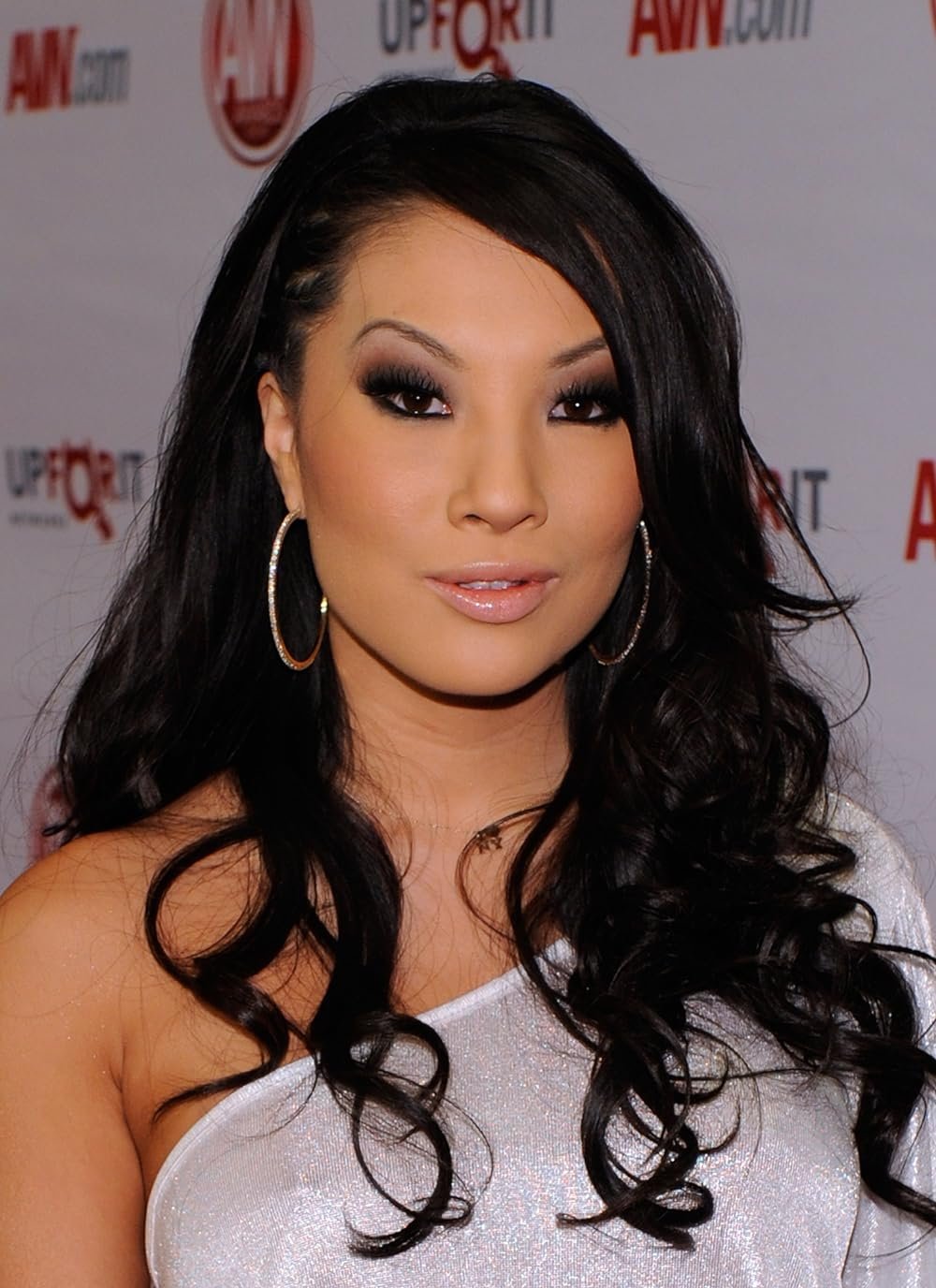
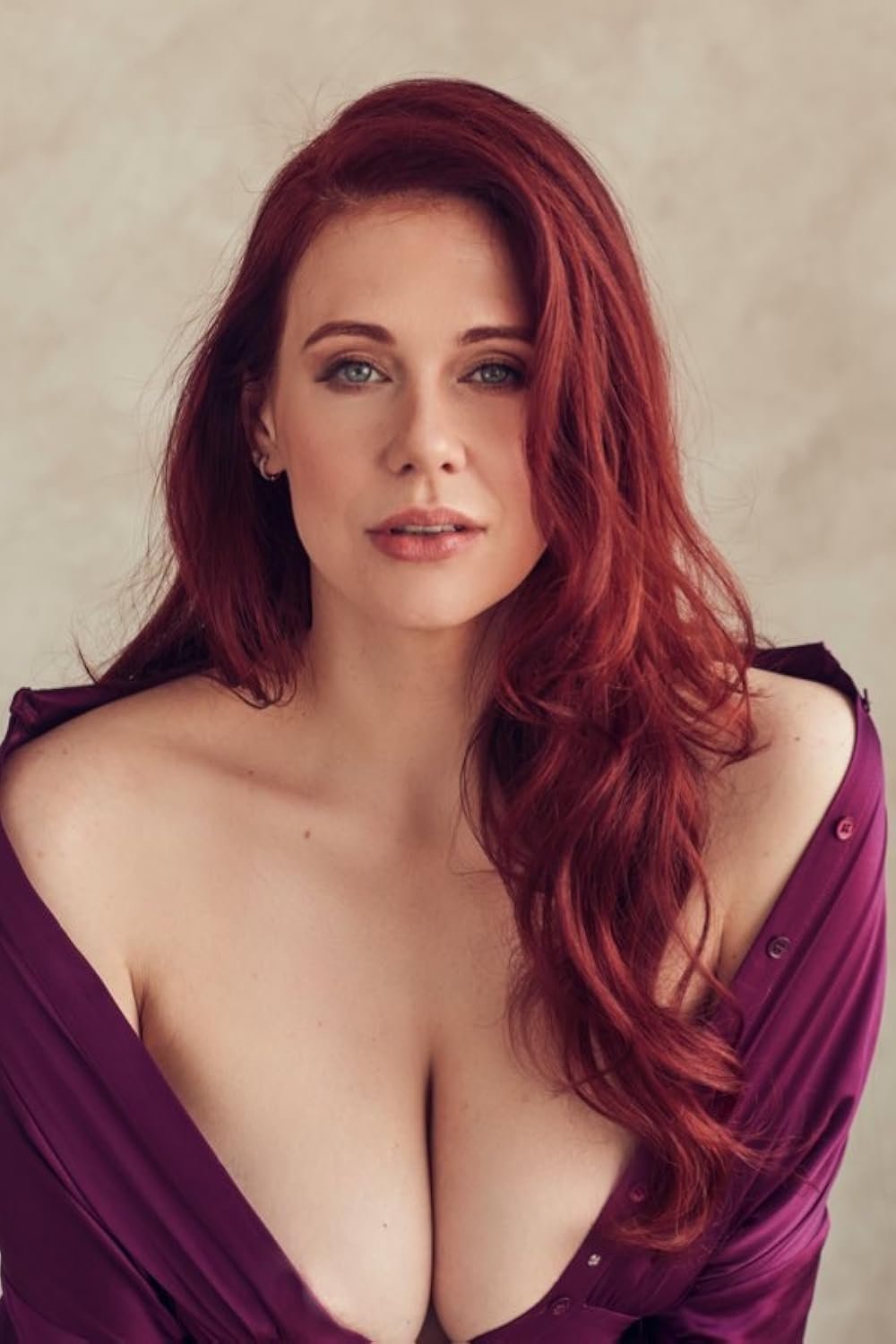
Saya Song came to performing later than most, having spent the earlier part of her adult life on a different path entirely before something shifted and she moved toward performance. The specifics of that earlier life she kept largely to herself, which was its own kind of statement from someone who was otherwise unusually candid in interviews. What she did talk about publicly, and repeatedly, was the typecasting problem: the way Asian actresses in adult film were expected to slot into a fixed set of roles and stay there. She pushed against that, not just rhetorically but in the range of work she actually did. Colleagues who spoke about her after her death described the enthusiasm she brought as something that read on screen — not performed energy but a genuine investment in whatever she was making. She died in the spring of her thirty-seventh year, before the industry had fully caught up to what she was arguing for. The people who worked with her seem to feel that absence in a specific way.
The Ten
Trending creators and exclusive deals. Every Monday.
No spam. Unsubscribe anytime.